Correcting Eyeliner Shape Distortion Without Overworking the Eyelid
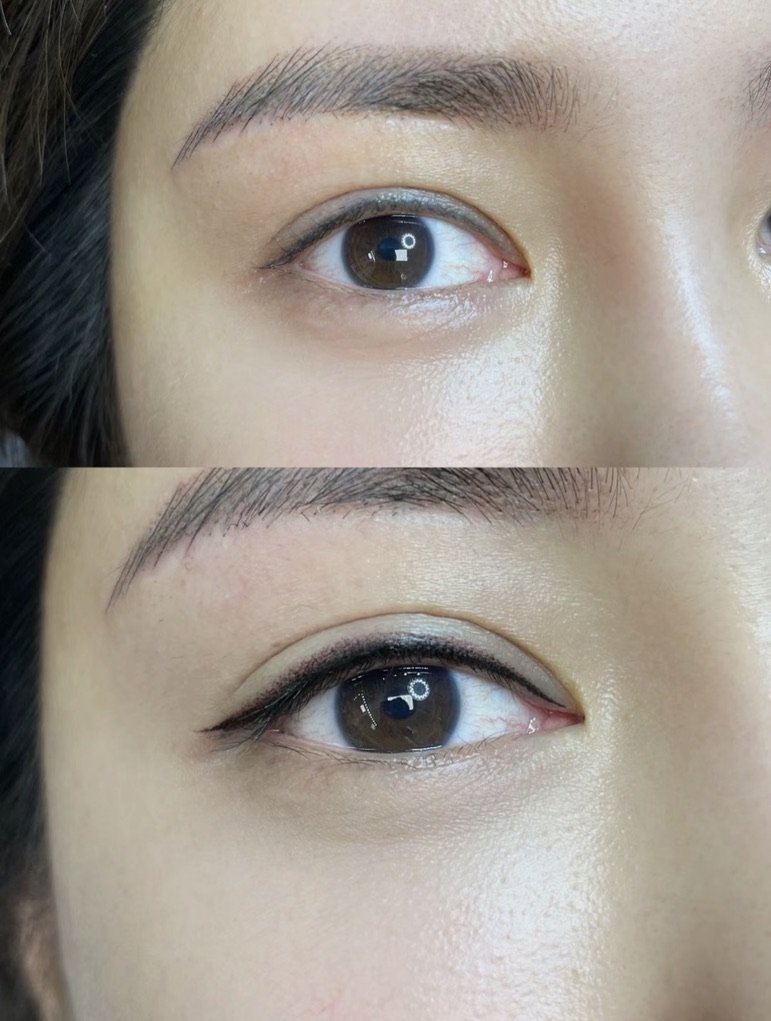


Eyeliner shape distortion is one of the most frequent long-term concerns seen in periocular permanent makeup. A line that once followed the natural eyelid contour may begin to curve unevenly, thicken at the tail, or lose symmetry between eyes. For many clients, the instinct is to “fix” the shape by adding more pigment. Clinically, this is where problems escalate. Shape distortion is rarely solved by more ink. It is solved through medical judgement, pigment behaviour analysis, and controlled correction that protects the eyelid from cumulative trauma.
At The Brow & Beauty Boutique, eyeliner shape correction is approached with a clear principle: improve structure without overworking the eyelid. This preserves periocular safety while restoring balance and definition.
Why Eyeliner Shape Distorts Over Time
The eyelid is not a static canvas. Its skin is thin, elastic, and constantly in motion due to blinking and facial expression. When pigment is implanted without long-term stability planning, several mechanisms can distort shape over time.
Common contributors include:
Asymmetric pigment deposition, where one side was implanted deeper or denser
Pigment migration, causing curves or tails to drift outward or downward
Edge instability, where borders soften and lose definition
Chromatic shift, which can exaggerate shape imbalance visually
These changes often emerge gradually. Clients may only notice the distortion years later, when the eyeliner no longer aligns with the eye’s natural anatomy. Importantly, this does not mean the eyelid has been damaged beyond correction. It means the pigment must be managed with restraint.
Why Overworking the Eyelid Makes Shape Distortion Worse
Adding pigment to “correct” a distorted shape often leads to density overload and deeper implantation. In the periocular region, this increases the risk of further migration and diffusion, compounding the original problem.
Overworking the eyelid can result in:
Increased tissue reactivity and prolonged healing
Further loss of edge clarity
Heavier visual weight that exaggerates asymmetry
Reduced options for future correction
Medical-led correction avoids these outcomes by prioritising controlled periocular pigment lightening and structural assessment before any refinement is considered.
A detailed explanation of this conservative philosophy is outlined in the clinic’s guide to professional eyeliner colour correction in Singapore, which explains why restraint is essential near the eye.
Correcting Shape Through Medical Assessment, Not Guesswork
Effective shape correction begins with understanding why the eyeliner looks distorted. This requires more than visual inspection. A structured assessment evaluates pigment depth, spread pattern, residual density, and eyelid anatomy to determine how the pigment is influencing shape.
In many cases, improving shape does not require full removal. Instead, targeted pigment reduction in specific zones can restore balance without destabilising the entire line. This approach preserves tissue integrity and avoids unnecessary trauma to the eyelid margin.
Start With a Professional Eyeliner Shape Assessment
Because every eyelid responds differently, correction should never be assumed. A consultation allows your specialist to explain what can be refined safely and what should remain untouched for now.
Book an eyeliner correction consultation to receive an assessment grounded in anatomy, pigment science, and long-term eye health.
Controlled Correction as a Staged Process
Medical-led eyeliner correction is intentionally incremental. Shape refinement is achieved by gradually reducing excess or migrated pigment while allowing the periocular tissue to recover between sessions.
This staged approach offers several benefits:
Reduced post-inflammatory response
Improved predictability of pigment behaviour
Protection of periocular safety zones
Preservation of future correction options
Clients are guided through realistic timelines so expectations remain aligned with biological healing rather than cosmetic urgency. This is particularly important when shape distortion has developed over many years.
When Shape Refinement Through Embroidery Becomes Appropriate
Once the distorted pigment has been stabilised and excess density reduced, some clients choose to refine their eyeliner shape using modern embroidery techniques. This step is always sequenced after correction, never before.
Contemporary eyeliner embroidery prioritises superficial dermal placement, controlled saturation, and alignment with the natural eyelid contour. The goal is to support the eye’s anatomy rather than impose a rigid shape.
Clients considering this phase may explore eyeliner embroidery services in Singapore, including refined options such as baby eyeliner for subtle lash enhancement or classic eyeliner for balanced structure. These options are selected only when the periocular environment is stable.
Supporting Eyelid Recovery During Correction
Shape correction outcomes depend not only on pigment management but also on how well the eyelid skin recovers between sessions. Supporting hydration, circulation, and barrier integrity helps maintain comfort and predictability throughout the process.
Many clients incorporate supportive care such as the La Dermalogique Eye Spa – Iris Clarity treatment. This focuses on periocular calmness and clarity, complementing correction work without interfering with pigment protocols.
Precision Over Pressure
Correcting eyeliner shape distortion does not require overworking the eyelid. It requires medical judgement, controlled correction, and respect for periocular anatomy. With the right approach, structure can be restored while protecting long-term eye health.
Schedule your professional eyeliner correction consultation to begin a correction journey built on restraint, safety & lasting results.