
Anti-Aging Support for Skin Experiencing Cumulative Treatment Fatigue
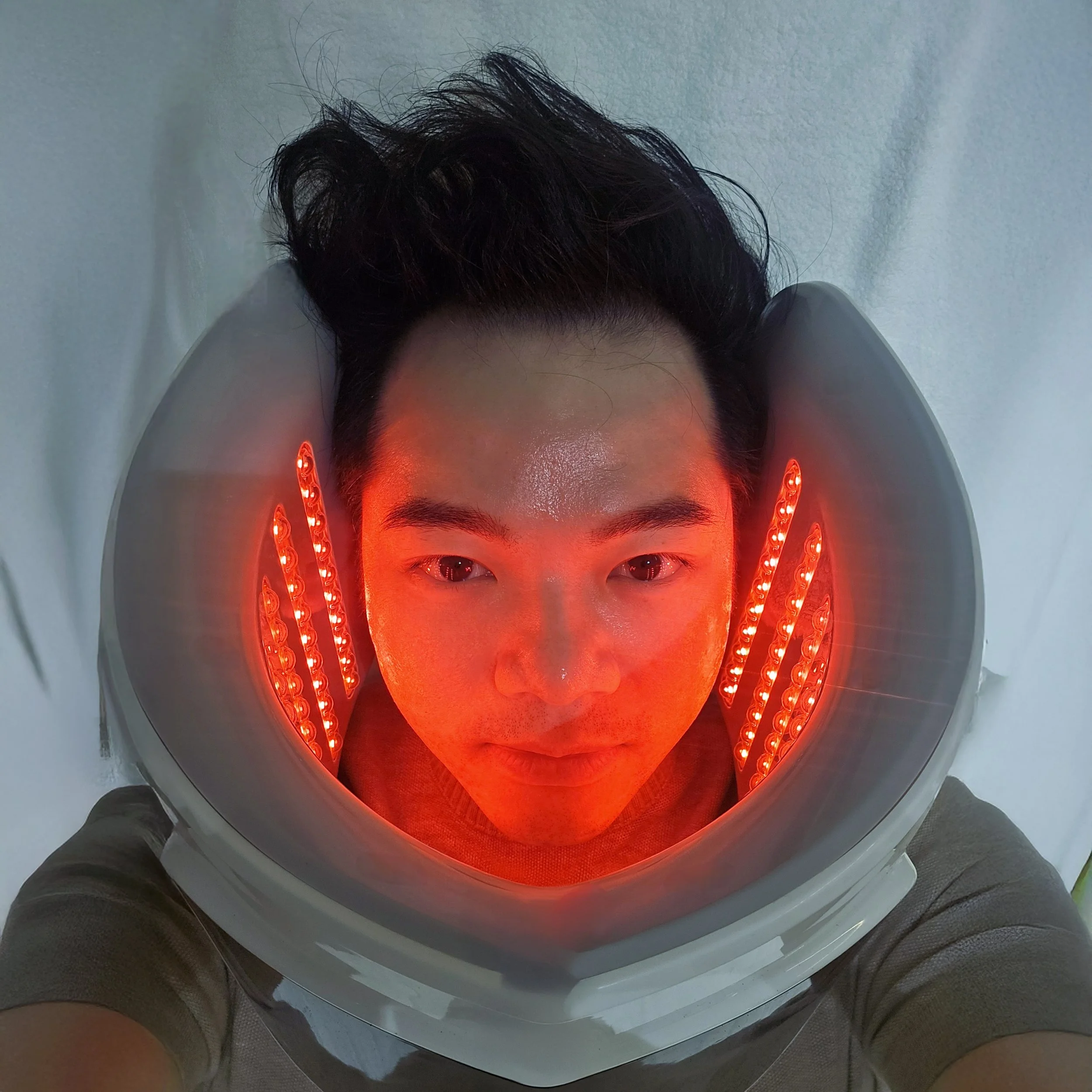
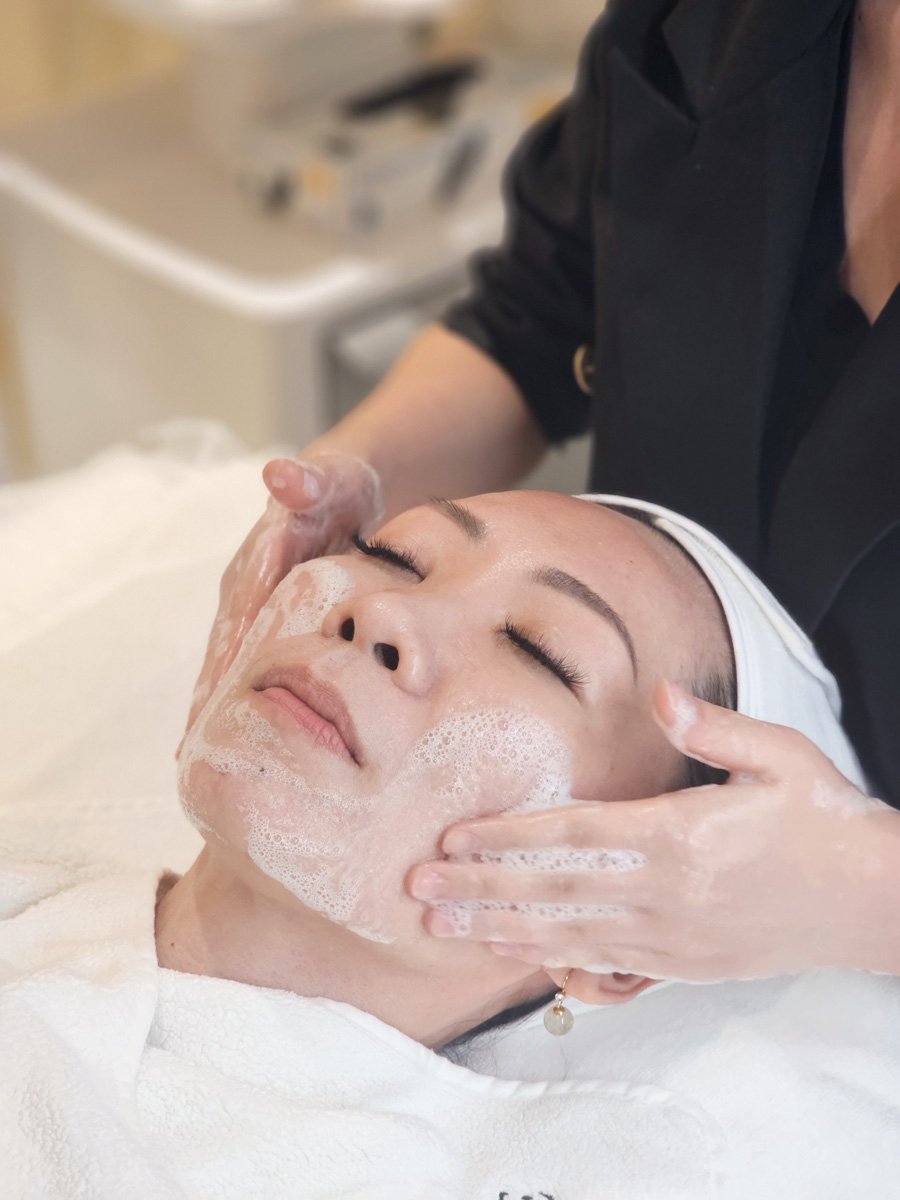
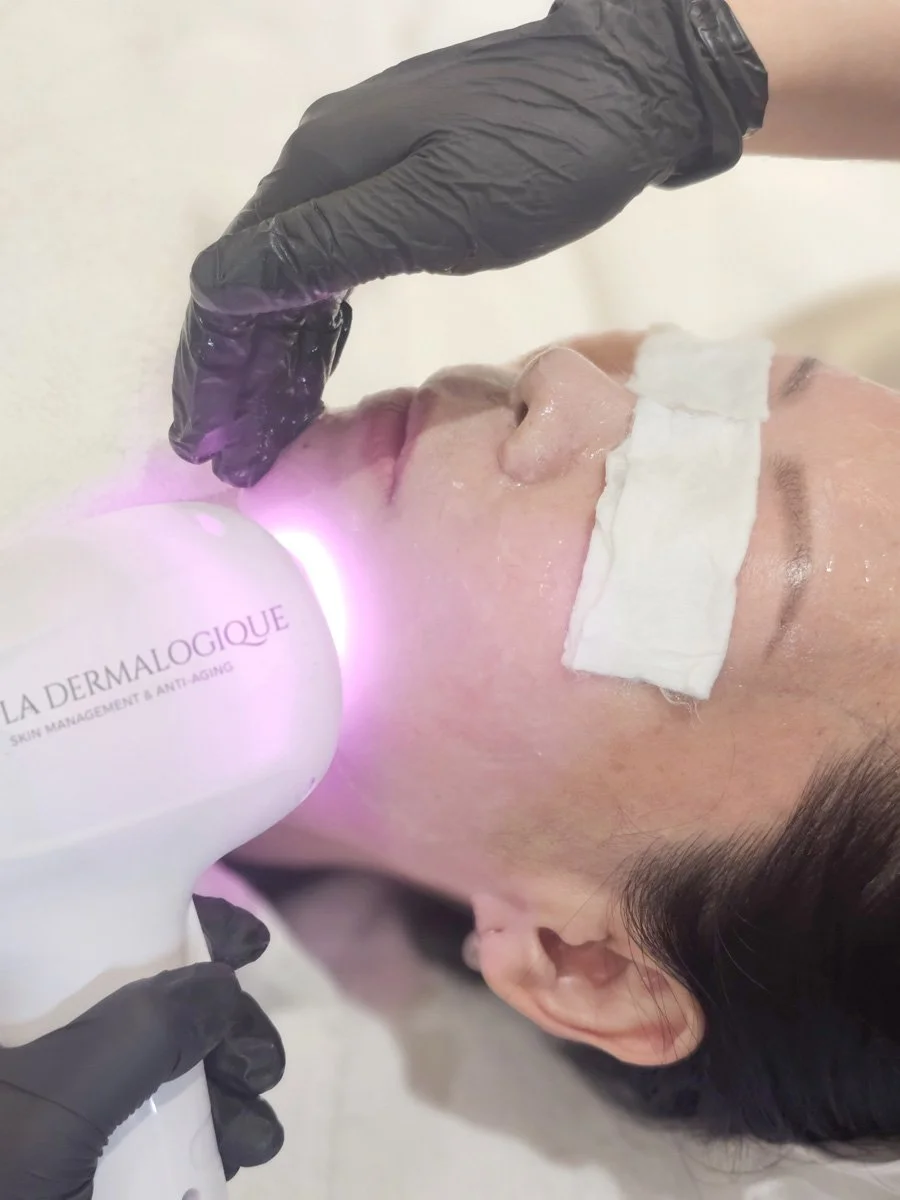

Cumulative treatment fatigue is an increasingly common issue among clients who have been diligent with their skincare and aesthetic routines. Over time, skin that once responded well to regular facials, devices, or active-driven treatments begins to feel unresponsive, sensitive, or chronically tired. Results become short-lived, recovery slows, and the skin may feel less resilient despite continued effort.
At The Brow & Beauty Boutique, cumulative treatment fatigue is recognised as a functional signal, not a failure of care. Anti-aging support in these cases focuses on restoring the skin’s capacity to respond rather than adding further stimulation.
Clients who suspect their skin may be fatigued often begin by reviewing our Skin Management & Anti-Aging approach, which explains why long-term results depend on recovery as much as stimulation.
What Cumulative Treatment Fatigue Looks Like
Treatment fatigue develops gradually. The skin may not appear overtly inflamed, yet it behaves differently. Common signs include diminished glow after treatments, increased sensitivity, delayed healing, or results that no longer build over time.
This state is often caused by repeated stimulation without adequate reassessment or recovery. Even well-executed treatments can contribute when frequency, intensity, or modality remains unchanged as the skin evolves.
Anti-aging skin management reframes fatigue as a need for recalibration rather than escalation.
Why Doing “More” Often Makes Fatigue Worse
When results plateau, it is tempting to add new treatments or increase frequency. However, fatigued skin often lacks the physiological reserve to respond productively. Additional stimulation may push the skin into low-grade inflammation or barrier stress, further reducing responsiveness.
Skin management avoids this cycle by stepping back to evaluate cumulative load. By reducing unnecessary input and allowing recovery mechanisms to re-engage, the skin is given space to rebuild tolerance and responsiveness.
Clients who want to understand whether their skin is overstimulated or simply under-supported are encouraged to book an Initial Skin Management Consultation, where treatment history and recovery behaviour are reviewed before any changes are made.
Recovery as an Active Phase of Anti-Aging Care
Recovery is not passive. In skin management, it is a deliberate phase of care. During this period, the focus shifts toward stabilising barrier function, regulating inflammation, and restoring hydration dynamics rather than pursuing visible transformation.
Once the skin demonstrates improved tolerance and consistency, supportive stimulation can be reintroduced strategically. This sequencing prevents relapse into fatigue and allows results to accumulate more predictably.
Clients following this pathway often progress into a Progressive Skin Conditioning Session, where stimulation is carefully calibrated to the skin’s renewed capacity rather than previous tolerance levels.
Secondary Issues Associated With Treatment Fatigue
Cumulative fatigue rarely exists alone. Clients may also experience dullness, uneven texture, transient redness, or dehydration that returns quickly after treatment. These signs reflect compromised regulation rather than isolated surface issues.
By prioritising recovery and recalibration, skin management often improves these secondary concerns concurrently. As regulation returns, the skin becomes more predictable and receptive to ongoing care.
Clients seeking reassurance about safety, timelines, and conservative pacing often consult our frequently asked questions, which explain why stepping back is sometimes the most effective step forward.
Setting Expectations During the Reconditioning Phase
Supporting fatigued skin requires patience. Early improvements are often subtle and felt before they are seen. Reduced reactivity, improved comfort, and more consistent post-treatment recovery are early indicators that the skin is regaining capacity.
Anti-aging skin management emphasises transparency during this phase. Clients are informed that visible changes may follow stability rather than precede it, preventing unnecessary escalation.
Many clients describe this process through our customer stories, noting that once their skin recovered from fatigue, improvements became more durable and less effort-dependent.
Those interested in the philosophy guiding this approach can also explore our story to understand why clinical judgement and restraint underpin every treatment plan.
The La Dermalogique Perspective: Supporting Skin Without Overload
Collaboration with La Dermalogique is particularly valuable when managing treatment fatigue. Their treatments focus on enhancing microcirculation, cellular communication, and tissue responsiveness without adding stress to the epidermis.
Treatments such as the La Dermalogique Signature Skin Treatment and Signature Glow-Up Contouring support regeneration gently, making them ideal during recovery and reconditioning phases.
Restoring Capacity Before Advancing Care
Skin experiencing cumulative treatment fatigue is not resistant; it is overloaded. With appropriate assessment, structured recovery, and carefully paced reintroduction of stimulation, responsiveness can return and anti-aging goals can be pursued safely.
Clients ready to prioritise restoration before progression can book a Comprehensive Skin Management Session, where treatment planning is guided by current skin behaviour rather than past routines.