
Anti-Aging Strategies for Skin With Compromised Homeostasis
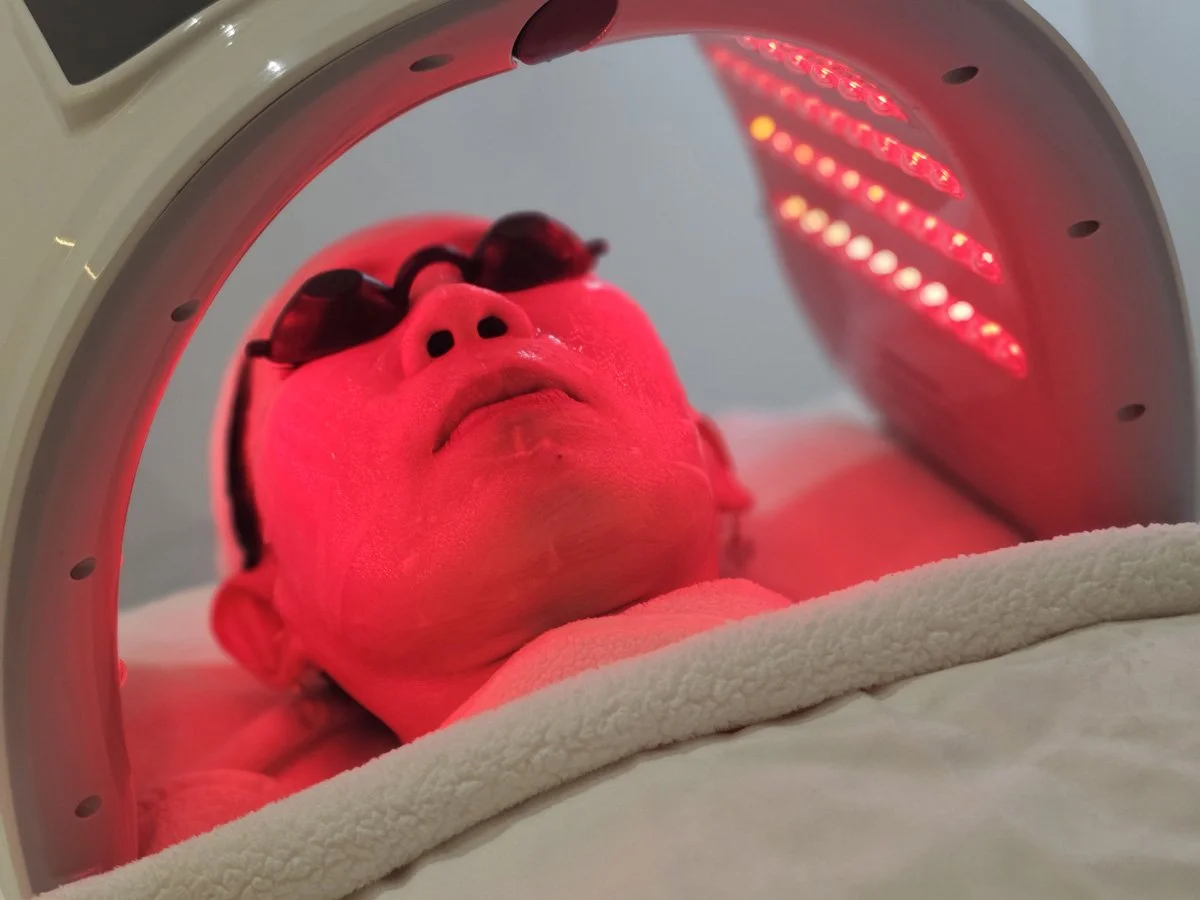
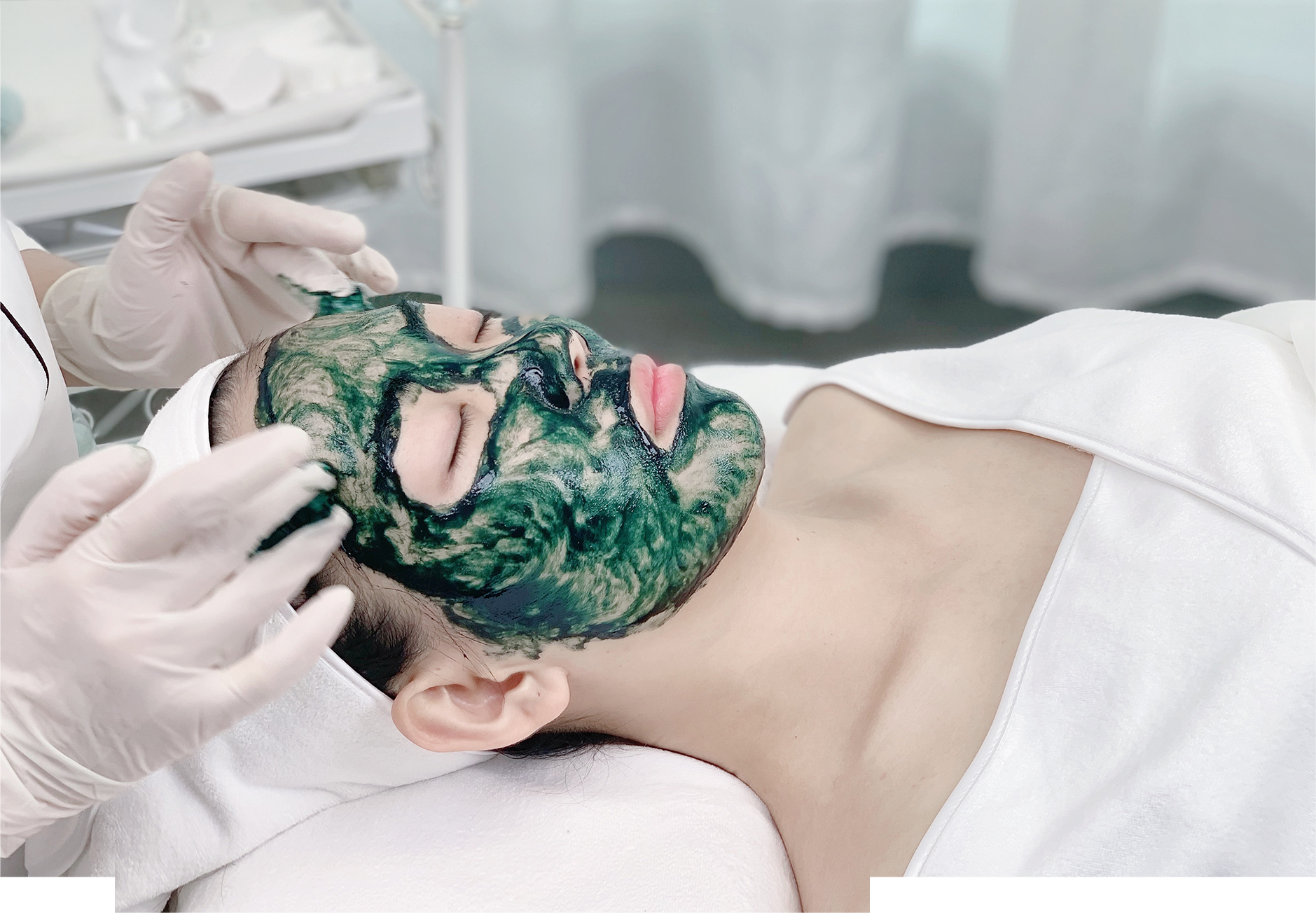


Skin that fluctuates unpredictably—alternating between dryness and oiliness, calm and reactivity, clarity and congestion—is often described by clients as “confusing” or “difficult.” In clinical terms, this pattern usually reflects compromised skin homeostasis: the skin’s reduced ability to regulate itself, recover efficiently, and maintain internal balance under normal conditions.
At The Brow & Beauty Boutique, anti-aging care for compromised skin homeostasis is approached through structured skin management, not correction-driven treatments. The goal is to stabilise skin behaviour first, then support gradual, sustainable improvement that the skin can maintain long term.
Clients can explore this philosophy in more depth through our Skin Management & Anti-Aging framework, which prioritises predictability and recovery over intensity.
What Skin Homeostasis Really Means
Skin homeostasis refers to the skin’s ability to maintain equilibrium despite internal and external stressors. This includes regulating hydration, oil production, inflammatory response, cellular turnover, and barrier repair. When homeostasis is intact, the skin responds predictably to treatments and products. When it is compromised, even gentle interventions can produce inconsistent or exaggerated reactions.
Clients with disrupted homeostasis often report sensitivity that appears suddenly, treatments that once worked but no longer do, or results that vary from one session to the next. These patterns are not signs of “bad skin,” but of skin that has lost its regulatory stability.
Why Conventional Anti-Aging Often Worsens Instability
Many anti-aging treatments are designed to stimulate change quickly. While this can be effective for resilient skin, it often destabilises skin with compromised homeostasis. Repeated stimulation without adequate recovery can amplify inflammatory signalling, prolong healing cycles, and further erode the skin’s ability to self-regulate.
Skin management takes a different approach. Rather than pushing the skin to respond, it focuses on restoring balance—supporting barrier recovery, moderating stimulation, and allowing regulatory systems to recalibrate. Only once stability improves is progressive anti-aging conditioning introduced.
Clients experiencing fluctuating skin behaviour are encouraged to begin with an Initial Skin Management Consultation, where skin tolerance, recovery patterns, and treatment history are evaluated before any intervention is planned.
Stabilisation as the Foundation of Anti-Aging
For skin with compromised homeostasis, stabilisation is not a delay—it is the treatment. This phase may involve reducing treatment frequency, simplifying active exposure, and selecting modalities that support regeneration without provoking inflammation.
As stability improves, the skin begins to heal more efficiently, hydration retention normalises, and sensitivity reduces. Only then can collagen support, texture refinement, or tone correction be introduced without risking regression.
Clients who prefer a cautious, structured pathway often benefit from a Progressive Skin Conditioning Session, which prioritises regulatory balance while supporting gradual anti-aging improvement.
Recognising the Signs of Homeostatic Disruption
Compromised homeostasis does not always present as obvious sensitivity. In many cases, it appears as inconsistency: treatments that work once but not again, skincare that alternates between effective and irritating, or skin that feels different week to week.
These patterns often develop after cumulative stress from over-exfoliation, repeated device-based treatments, environmental exposure, or insufficient recovery time between procedures. Addressing them requires stepping back from reactive solutions and rebuilding predictability.
Clients seeking clarity on whether their concerns reflect instability rather than aging alone can refer to our frequently asked questions, which explain how skin regulation and tolerance influence outcomes.
Long-Term Benefits of Restoring Skin Balance
When homeostasis is restored, the skin becomes more resilient, less reactive, and more responsive to both professional treatments and home care. Anti-aging improvements achieved on a stable foundation tend to be subtler—but far more durable.
Many clients describe their skin as feeling “normal again,” with fewer fluctuations and more consistent texture and tone. These experiences are reflected in our customer stories, where long-term stability is often the turning point in successful skin management.
Understanding the philosophy behind this balance-first approach is also part of our story, which reflects our commitment to skin health over trend-driven intervention.
The La Dermalogique Perspective: Supporting Regulatory Balance
Stabilising compromised homeostasis is further supported through collaboration with our sister brand, La Dermalogique. Their treatments emphasise advanced conditioning, microcirculatory support, and regenerative signalling without overwhelming the skin’s recovery capacity.
The La Dermalogique Signature Skin Treatment is particularly effective for skin showing instability alongside early aging concerns, as it supports balance while gently encouraging renewal. For clients seeking contour refinement without disrupting regulation, Signature Glow-Up Contouring provides non-ablative structural support.
These treatments integrate seamlessly with skin management protocols focused on restoring equilibrium and long-term resilience.
Rebuilding Stability as an Anti-Aging Strategy
For skin with compromised homeostasis, effective anti-aging begins with balance, not correction. With proper assessment, conservative sequencing, and respect for recovery cycles, skin can regain its ability to self-regulate—allowing anti-aging improvements to develop naturally and sustainably.
Clients ready to stabilise their skin before pursuing further anti-aging goals can book a Comprehensive Skin Management Session, where treatment planning is guided by skin behaviour, not assumptions.