Anti-Aging Care for Skin That Has Plateaued Despite Consistent Treatments


Many clients seeking anti-aging care are not new to skin treatments. They have been consistent with facials, devices, and maintenance routines, yet their skin no longer seems to improve. Texture remains static, firmness plateaus, and glow becomes harder to sustain. This experience is more common than most realise and does not mean the skin has “failed” or that stronger treatments are automatically the answer.
At The Brow & Beauty Boutique, this scenario is approached through skin management, not escalation. A plateau is often a signal that the skin’s regenerative pathways are no longer responding to the same inputs. Understanding why this happens is essential before deciding what comes next.
Clients experiencing treatment fatigue or stalled results often begin by reviewing our Skin Management & Anti-Aging approach, which focuses on restoring skin responsiveness rather than intensifying stimulation.
Why Skin Plateaus After “Doing Everything Right”
Skin adapts. When the same treatment modality is repeated without sufficient variation or recovery, biological response diminishes. Fibroblast signalling, collagen synthesis, and microcirculatory response can all downregulate over time. This is particularly true when treatments prioritise frequent stimulation without reassessing barrier health or inflammatory load.
A plateau may be influenced by:
Chronic low-grade inflammation
Compromised barrier function
Repetitive stimulation without recovery cycles
Reduced cellular responsiveness due to skin fatigue
In these cases, increasing treatment strength may worsen outcomes rather than improve them. Skin management reframes the problem by identifying what the skin needs to re-engage, not what it needs more of.
Re-Assessment Is the Turning Point
When progress stalls, reassessment becomes more important than the next treatment. Skin that once tolerated regular stimulation may now require recalibration. Sebum regulation, hydration gradients, vascular response, and recovery timelines all shift as skin matures.
At The Brow & Beauty Boutique, clients with plateaued skin are encouraged to book an Initial Skin Management Consultation. This session focuses on identifying adaptive resistance, treatment overload, or biological bottlenecks that prevent further improvement.
Rather than abandoning prior work, the goal is to build on it intelligently.
Why More Aggressive Treatments Often Backfire
A common misconception is that a plateau means the skin needs something “stronger.” In reality, overstimulated skin often needs less intensity and better sequencing. When recovery windows are ignored, the skin may remain in a semi-inflamed state that blocks regeneration.
Signs this may be occurring include persistent redness, delayed healing, dull tone despite treatment, or inconsistent results between sessions. Skin management responds by adjusting frequency, modality, and recovery timing rather than escalating force.
Clients who require a structured reset often move into a Progressive Skin Conditioning Session, where treatment pacing is recalibrated to restore biological responsiveness.
Addressing Plateaus Linked to Texture and Recurring Congestion
Plateaued anti-aging results are frequently accompanied by concerns such as uneven texture, persistent congestion, or recurring milia. These are not surface problems alone. They often indicate slowed cellular turnover or impaired barrier signalling.
Instead of repeatedly addressing symptoms, skin management integrates these concerns into a broader regenerative strategy. Improving barrier stability and cellular communication often leads to secondary improvements in texture and clarity without targeting them aggressively.
Clients seeking reassurance about safety, recovery, and realistic outcomes often find clarity in our frequently asked questions, which explain why plateaus occur and how they are managed conservatively.
Managing Expectations During the Reset Phase
When skin has plateaued, improvement does not always look immediate. The initial phase may focus on stabilisation rather than visible transformation. This can feel counterintuitive, but it is often the most important step toward renewed progress.
Anti-aging skin management sets expectations honestly. Clients are informed when the goal is to restore function first, then appearance. This transparency builds trust and prevents the cycle of over-treatment that often leads to further stagnation.
Many clients reflect on this process through our customer stories, where long-term improvement follows thoughtful recalibration rather than escalation.
Those interested in the clinical philosophy behind this approach can also explore our story to understand why judgement and restraint are central to effective anti-aging care.
The La Dermalogique Perspective: Reconditioning Responsive Pathways
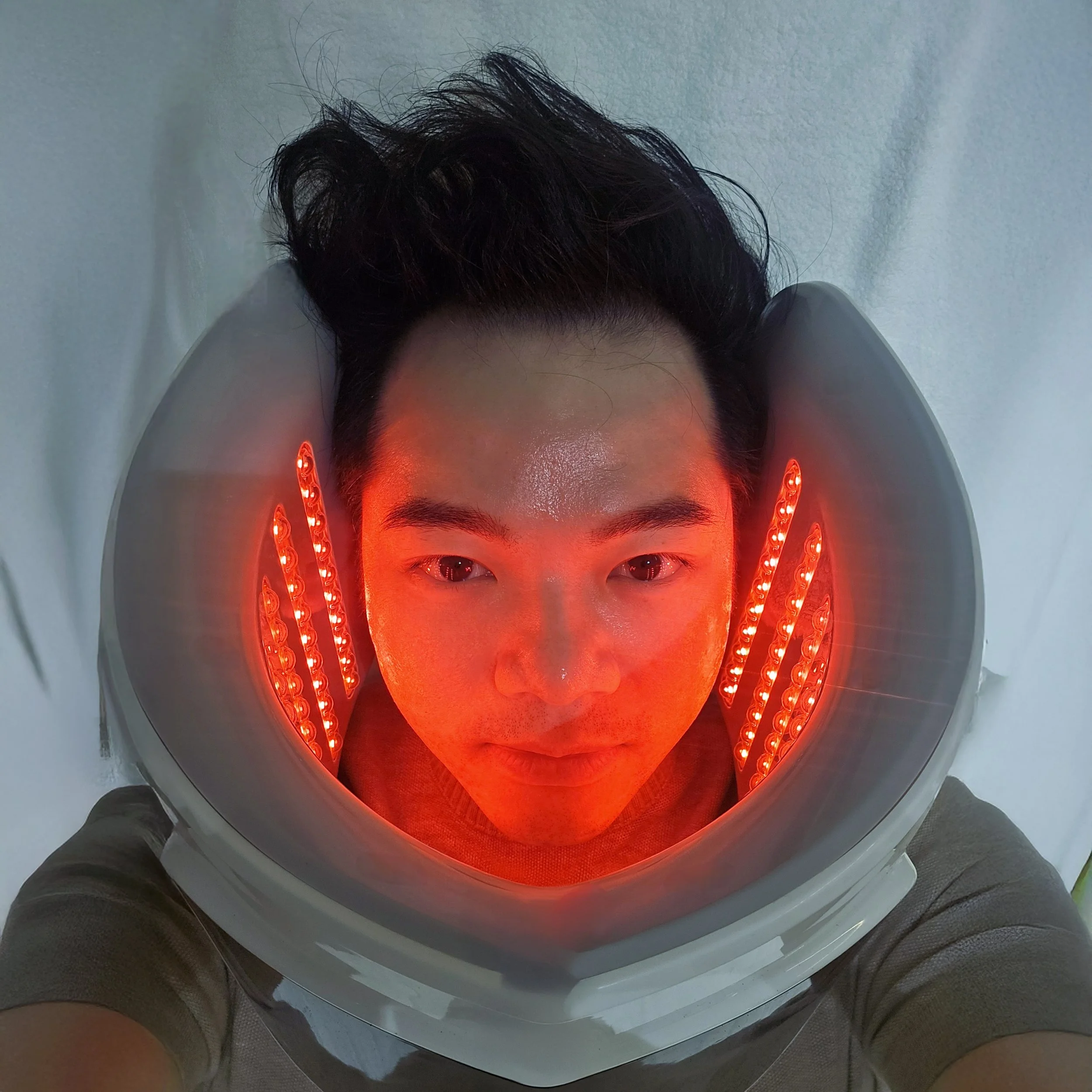
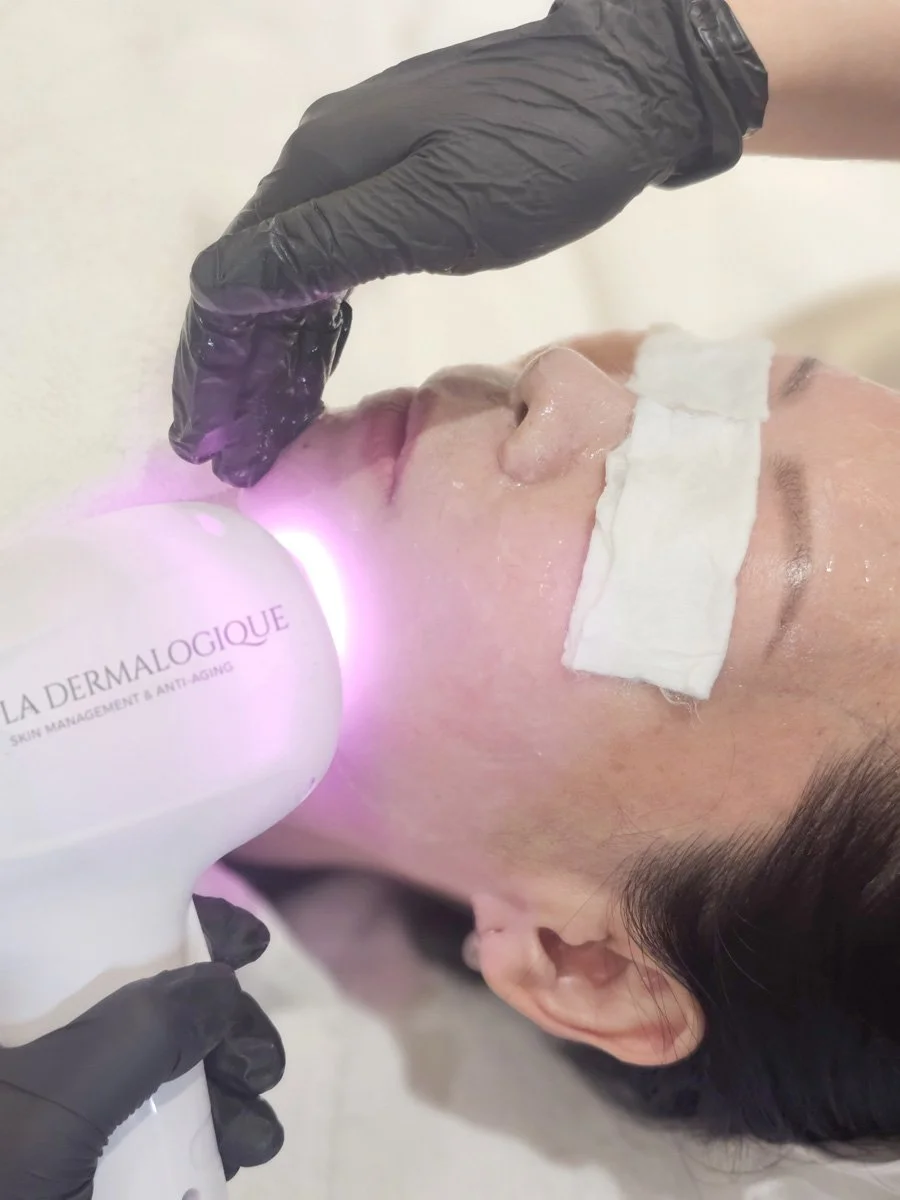
A key component in overcoming skin plateaus is targeted reconditioning. This is where collaboration with La Dermalogique becomes particularly valuable. Their treatments focus on restoring microcirculation, improving tissue oxygenation, and reactivating fibroblast signalling without disrupting barrier recovery.
Treatments such as the La Dermalogique Signature Skin Treatment and Signature Glow-Up Contouring are often integrated during plateau phases. These non-ablative modalities support regeneration gently, helping the skin regain responsiveness rather than pushing it harder.
This approach is especially suitable for clients whose skin has become resistant to conventional facial routines.
Moving Beyond the Plateau
A skin plateau is not a dead end. It is a diagnostic signal. With the right assessment, pacing, and supportive care, skin can re-enter a productive regenerative cycle.
Clients ready to move forward thoughtfully can book a Comprehensive Skin Management Session, where treatment planning is adjusted to the skin’s current capacity—not its past tolerance.