Addressing Glycation-Related Aging in Skin That Appears Rigid and Creased


Not all visible aging is caused by collagen loss alone. In many cases, skin that appears rigid, deeply creased, or resistant to improvement is affected by glycation-related aging—a biochemical process that stiffens the skin’s structural framework and limits its ability to respond to treatment. At The Brow & Beauty Boutique, this pattern is addressed through structured skin management, with emphasis on restoring flexibility and regenerative responsiveness rather than forcing surface-level change.
Glycation occurs when excess sugar molecules bind to collagen and elastin fibres, forming advanced glycation end products (AGEs). These cross-linked fibres become rigid, brittle, and poorly organised, contributing to creasing, loss of elasticity, and a “set” or hardened appearance in the skin. Over time, this rigidity interferes with normal repair processes and accelerates visible aging.
Clients seeking a clearer understanding of how this is managed clinically can begin with our Skin Management & Anti-Aging framework, which focuses on long-term skin behaviour rather than superficial correction.
How Glycation Changes the Way Skin Ages
Unlike oxidative stress, which primarily damages cells and membranes, glycation alters the structure of the dermal matrix itself. Collagen fibres lose flexibility, elastin recoil weakens, and the skin’s ability to adapt to movement diminishes. This is why glycation-affected skin often looks creased even at rest and feels firm or unyielding to the touch.
Importantly, glycation also disrupts fibroblast communication. When the dermal environment becomes rigid, regenerative signalling slows, making the skin less responsive to standard anti-aging treatments. This is one reason why some clients experience plateaus despite consistent care.
Skin management addresses this by prioritising dermal conditioning and gradual re-mobilisation rather than aggressive stimulation.
Identifying Glycation-Dominant Skin Patterns Through Assessment
Glycation does not affect all skin types equally. It is more commonly observed in skin exposed to long-term metabolic stress, environmental damage, or repeated inflammation. Clinically, it may present as fixed lines, reduced elasticity, uneven tension across facial zones, or skin that appears aged beyond chronological expectations.
At The Brow & Beauty Boutique, treatment planning begins with identifying whether glycation, oxidative stress, or barrier dysfunction is the dominant aging mechanism. This prevents the common mistake of applying high-stimulation treatments to skin that first requires structural softening and reconditioning.
Clients can begin this process by booking an Initial Skin Management Consultation, where skin rigidity, recovery capacity, and tolerance thresholds are evaluated before any intervention.
Why Rigid Skin Often Resists Aggressive Anti-Aging Treatments
When skin is affected by glycation, aggressive resurfacing or high-intensity treatments often produce disappointing results. The issue is not insufficient stimulation, but reduced tissue adaptability. Rigid collagen networks do not respond predictably to forceful intervention and may react with inflammation or prolonged recovery instead of regeneration.
Skin management avoids this by focusing on progressive conditioning, allowing the dermal matrix to regain flexibility gradually. By improving tissue responsiveness first, subsequent treatments become more effective and sustainable.
This approach is particularly valuable for clients who feel their skin looks “stuck,” creased, or prematurely aged despite previous treatments.
Reconditioning the Dermal Matrix Through Sequenced Care
Addressing glycation-related aging requires patience and sequencing. Treatments are introduced in a way that supports collagen re-organisation, improves microcirculation, and restores elasticity without overwhelming compromised tissue.
Clients who prefer steady improvement without aggressive intervention often choose a Progressive Skin Conditioning Session. These sessions are structured to encourage gradual dermal softening and improved skin mobility over time, allowing visible creases to soften naturally as skin function improves.
Related Concerns Commonly Seen With Glycation
Glycation-affected skin often presents with additional concerns such as uneven texture, dull tone, slowed healing, or recurrent congestion. These are not treated as isolated issues but as interconnected signs of impaired skin regulation.
For example, persistent textural roughness may reflect reduced cellular turnover caused by a rigid dermal environment. When glycation is addressed as part of a comprehensive skin management plan, improvements tend to occur across multiple parameters rather than a single concern.
Clients exploring whether this approach is appropriate for their skin may find clarity in our frequently asked questions, which explain how treatment pathways are determined and adjusted.
The La Dermalogique Perspective: Supporting Dermal Flexibility
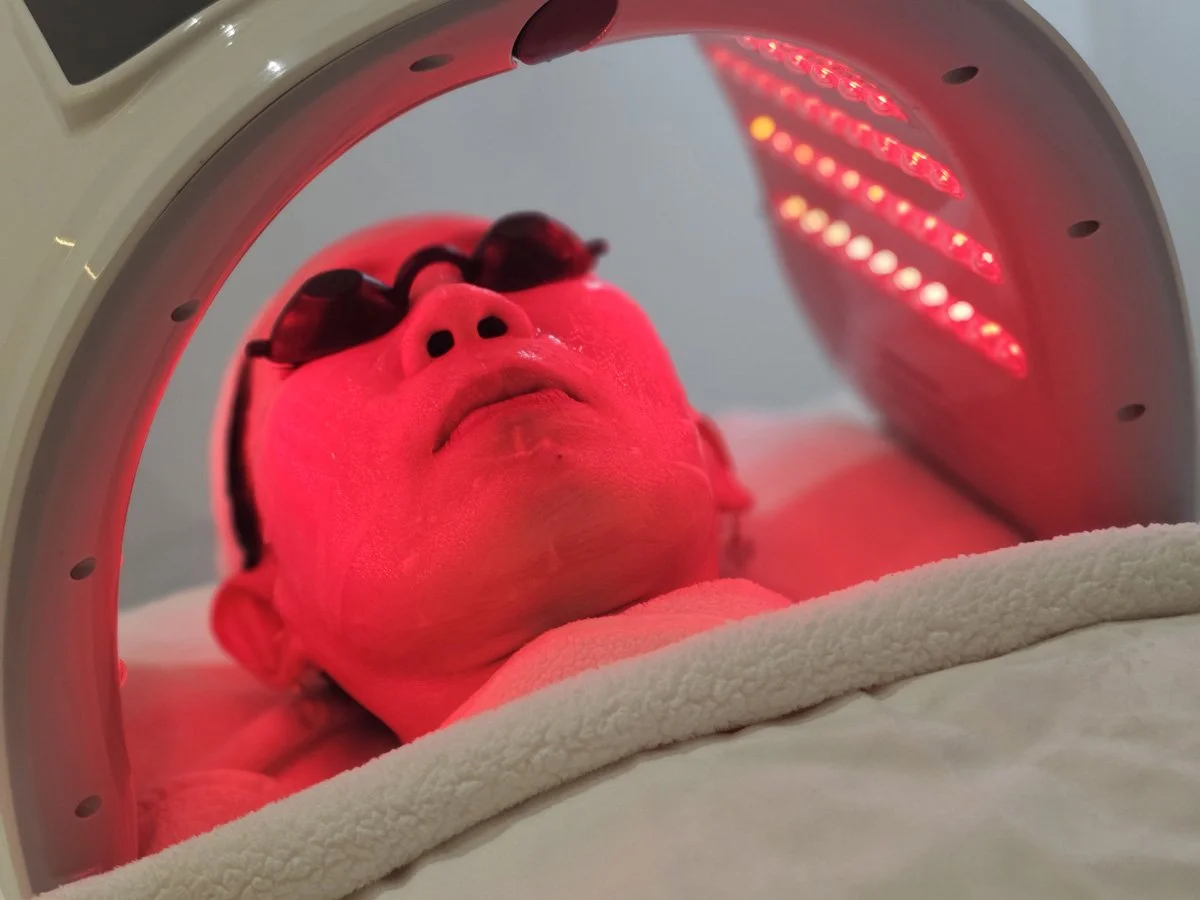
Advanced skin conditioning plays a crucial role in managing glycation-related aging. Through collaboration with La Dermalogique, clients gain access to treatments that support microcirculation, tissue oxygenation, and regenerative signalling without compromising barrier recovery.
Treatments such as the La Dermalogique Signature Skin Treatment and Signature Glow-Up Contouring are particularly beneficial for skin that appears rigid, fatigued, or slow to respond. These non-ablative approaches complement long-term skin management by enhancing dermal adaptability rather than forcing change.
Setting Expectations for Glycation-Related Improvement
Glycation-related aging cannot be reversed instantly. Improvement occurs as collagen flexibility improves, dermal signalling normalises, and the skin regains adaptive movement. This process is gradual but stable when managed correctly.
Clients often report that their skin feels more supple, less “set,” and visually softer over time. These outcomes are reflected in our customer stories, which highlight consistency and long-term skin health rather than dramatic short-term change. Those interested in the philosophy guiding this conservative approach can also explore our story.
Beginning a Structured Approach to Glycation-Related Aging
For clients whose skin appears rigid, creased, or resistant to standard anti-aging treatments, skin management offers a clinically grounded pathway forward. By addressing glycation first, the skin is given the opportunity to respond predictably and sustainably to ongoing care.
Clients ready to proceed can book a Comprehensive Skin Management Session, where treatment decisions are guided by skin biology—not trends.